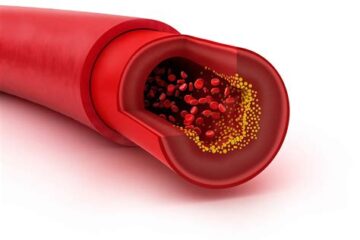
In this post Three Factors Associated with Significant Reduction in Dementia after age 50 at יואל קסלר .קום we present a new article from the journal Neurology that shows that three factors are associated with a significant decrease in risk of dementia after age 50. The abstract is reprinted below. A link to the article is here.
Midlife Vascular Risk Burden and Dementia-Free Survival Years
The Atherosclerosis Risk in Communities Neurocognitive Study
Jiaqi Hu https://orcid.org/0000-0002-4082-4755, Josef Coresh https://orcid.org/0000-0002-4598-0669, Jason R. Smith https://orcid.org/0000-0001-9764-5849, A. Richey Sharrett https://orcid.org/0000-0002-8835-7770, Rebecca F. Gottesman https://orcid.org/0000-0002-9504-1256, Pamela L. Lutsey https://orcid.org/0000-0002-1572-1340, Thomas H.Mosley https://orcid.org/0000-0003-3343-1352, Elizabeth Selvin https://orcid.org/0000-0001-6923-7151, Michael Fang, and Jordan WeissAUTHORS INFO & AFFILIATIONS
Abstract
Background and Objectives
Midlife vascular risk factors are associated with both dementia and premature death; however, their combined association with dementia-free survival years remains unclear. This patient-centered outcome is critical for shared goal-setting. We estimated dementia-free survival from age 55 to 95 years according to midlife vascular risk burden.
Methods
We conducted a prospective cohort study (Atherosclerosis Risk in Communities study) with participants from 4 US communities. Participants were alive and dementia-free at age 55 years and had visit 2 (1990–1992) measurements of diabetes (self-report, medication use, or HbA1c ≥ 6.5%), hypertension (BP ≥ 140/90 mm Hg or medication use), and current smoking. Vascular risk burden was defined as the count of these risk factors (0–3). Dementia was identified through cognitive assessments, informant interviews, and continuous surveillance through 2022 with expert adjudication. Death without dementia was ascertained from multiple sources, including the National Death Index. Using age as the time scale and accounting for competing mortality, we estimated cumulative incidence, cause-specific hazards, and restricted mean survival time of dementia. Analyses were stratified by sex, race, and apolipoprotein E (APOE)-ε4 status.
Results
Among 12,409 participants (mean age 56.2 ± 5.2 years; 56% female), over a median follow-up of 26.3 years (IQR 18.9–30.4), 3,008 developed dementia and 5,238 died dementia-free. Compared with 0 risk factors, 3 risk factors were associated with higher hazards of dementia (hazard ratio [HR] 2.69, 95% CI 1.94–3.73) and death without dementia (HR 5.61, 95% CI 4.67–6.74). Higher vascular burden was associated with fewer dementia-free survival years, declining from 30.1 years (95% CI 29.9–30.4) for 0 risk factors to 17.5 years (95% CI 16.3–18.7) for 3 risk factors. Dementia cumulative incidence rose earlier but was lower by age 95 years in the highest-risk group because competing mortality was substantially greater. Women lived longer dementia-free than men (18.1 vs 16.6 years with 3 risk factors). Black participants had shorter dementia-free survival than White participants (16.0 vs 19.6 years).
Discussion
Maintaining optimal midlife vascular health was associated with up to 12.6 additional dementia-free survival years, reflecting both higher dementia hazard and markedly higher competing mortality. Expressing vascular risk in time-based terms offers a clear, patient-centered framework to motivate prevention strategies that preserve both cardiovascular and cognitive health.
For more interesting articles like this check out our blog.